
In today’s fast-paced market, custom battery solutions play a vital role in meeting diverse application needs. Many manufacturers mistakenly believe that price is the only factor in procurement. They often overlook that reliable battery performance depends on system integration and the specific requirements of their projects. For instance, Ningbo Johnson New Eletck Co Ltd stands out as a credible supplier, offering tailored solutions backed by robust assets and industry certifications.
Key Takeaways
- Define your battery requirements clearly. Understand power needs, temperature conditions, and size constraints to select the right battery type for your application.
- Conduct thorough testing before ordering custom batteries. Capacity and discharge testing ensure that batteries meet specifications and perform reliably in real-world conditions.
- Establish long-term partnerships with suppliers. Strong communication and collaboration enhance product quality and drive continuous improvement in custom battery solutions.
Defining Your Requirements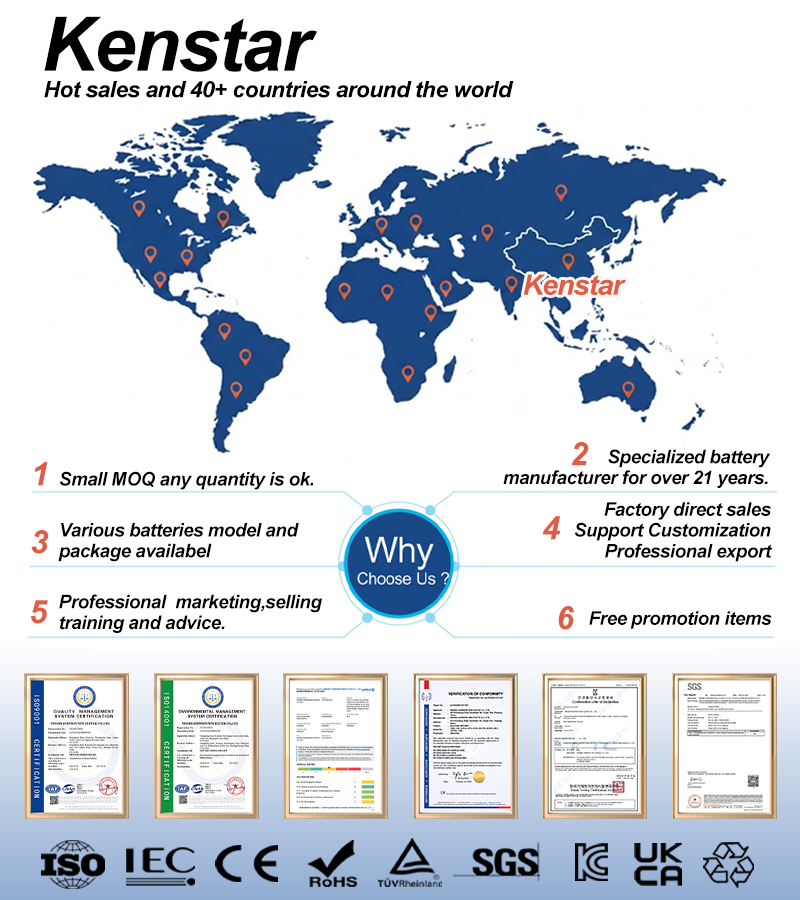
When embarking on the journey to create custom battery solutions, I find that defining specific requirements is crucial. This process involves understanding power needs, considering temperature conditions, and assessing size constraints. Each of these factors plays a significant role in ensuring that the final product meets the intended application.
Understanding Power Needs
To accurately determine power needs for custom battery applications, I follow a systematic approach. Here are the key steps I take:
- Define specific requirements for the battery application.
- Determine the necessary voltage and capacity for effective power.
- Assess size and form factor based on available space.
- Choose appropriate battery chemistry based on application demands.
- Consider environmental conditions that may affect battery performance.
Understanding these elements helps me select the right battery type for the application. For instance, I often compare the power requirements of industrial versus consumer battery applications. The table below illustrates typical specifications:
| Battery Type | Energy Density (Wh/kg) | Power Density (W/kg) | Cycle Life (Approx.) | Charging Time |
|---|---|---|---|---|
| NiMH | 55-110 | 100-500 | 500 – 800 | 4–6 hours to fully charge |
| Lithium-Ion | 100-300 | 500-5000 | 700 – 950 | 80% charge in under 1 hour |
Considering Temperature Conditions
Temperature conditions significantly impact battery performance. I always consider how these conditions will affect the chosen battery type. Here are some insights I’ve gathered:
- High temperatures can lead to capacity loss and reduced lifespan of batteries.
- Low temperatures can decrease battery performance and may prevent functionality.
For example, lithium-ion batteries experience diminished capacity at low temperatures due to slowed chemical reaction rates. Charging them below 0 °C can cause permanent damage, leading to reduced capacity and increased vulnerability to failure. In contrast, NiMH batteries can operate effectively in a wider temperature range (-20°C to 60°C), making them suitable for outdoor applications.
I also refer to the recommended temperature ranges for optimal battery operation:
| Battery Type | Operating Temperature Range |
|---|---|
| Standard LiFePO4 | -4°F to 140°F |
| ROYPOW Anti-Freeze Models | -40°F to 140°F |
Assessing Size Constraints
Size constraints are another critical factor in defining battery requirements. I recognize that the C rating of a battery indicates its safe discharge rate, which is crucial for performance and heat generation. Here are some considerations I keep in mind:
- Higher C ratings necessitate improved thermal management to prevent overheating and degradation, especially in compact designs.
- Battery pack configurations can be adjusted to optimize performance while adhering to size constraints, allowing for flexibility in design.
By carefully assessing these size constraints, I can ensure that the custom battery solutions I develop will perform reliably within the specified dimensions.
Selecting the Right Technology
Choosing the right battery technology is essential for achieving optimal performance in custom battery solutions. I often find myself weighing the pros and cons of various battery types, including alkaline, NiMH, and lithium batteries. Each type has unique characteristics that can significantly impact the application.
Comparing Alkaline, NiMH, and Lithium Batteries
When I compare these battery types, I focus on their performance and lifespan. Here’s a summary of the key differences:
| Battery Type | Performance | Lifespan |
|---|---|---|
| Lithium | High energy density, stable voltage, ideal for high-drain applications | Longer lifespan, retains charge over time |
| Alkaline | Affordable, suitable for low to moderate energy consumption | Shorter lifespan in high-drain situations |
| NiMH | Moderate energy density, good for rechargeable applications | Moderate lifespan, better than alkaline in high-drain scenarios |
Lithium batteries stand out for their high energy density and longer lifespan, making them ideal for applications requiring consistent power. Alkaline batteries, while cost-effective, may not perform well in high-drain situations. NiMH batteries offer a middle ground, providing decent performance and rechargeability.
Evaluating Performance Boundaries
In my experience, understanding performance boundaries is crucial for selecting the right battery technology. I evaluate several key factors:
| Performance Boundary | Description |
|---|---|
| Energy Density | The amount of energy stored per unit volume or mass, critical for size and weight considerations in applications like EVs. |
| Power Density | The energy released by a battery during discharge, important for performance in high-demand scenarios. |
| Charging Rate | The speed at which a battery can be charged, affecting usability in time-sensitive applications. |
| Lifespan | The duration a battery can effectively operate before degradation, impacting long-term viability. |
| Cost | The expense per kWh, crucial for achieving competitive pricing against traditional vehicles. |
| Safety | Concerns regarding flammability and thermal management, which can affect adoption rates in various sectors. |
I often rely on fleet telemetry data to assess realistic usage profiles. This data helps me understand how different batteries perform under various conditions. Continuous communication between cell manufacturers and OEMs is vital for integrating consumer usage profiles into engineering specifications.
Analyzing Cost and Transportation Factors
Cost considerations play a significant role in my decision-making process. I analyze the differences in costs and transportation challenges for each battery type:
- Alkaline batteries: Low capital requirements, straightforward material costs, primarily driven by raw materials (zinc, manganese dioxide, steel).
- Lithium batteries: Higher costs due to specialized raw materials, sophisticated production equipment, and extensive quality control.
Alkaline batteries are budget-friendly and ideal for low-drain devices. In contrast, lithium batteries, while more expensive initially, offer superior energy efficiency and longer life, making them worthwhile for high-drain applications.
| Battery Type | Cost of Raw Materials | Manufacturing Cost | Assembly Cost |
|---|---|---|---|
| NiMH | Relatively inexpensive | Standard process | Standard cost |
| Lithium | Higher due to rarity | Requires sophisticated equipment | Higher due to safety measures |
Transportation regulations also impact my selection process. I ensure compliance with various requirements, such as:
| Requirement | Description |
|---|---|
| Shipper’s Declaration for Dangerous Goods | Specifies UN classification and shipping designation |
| Material Safety Data Sheet | Details chemical composition and handling requirements |
| Commercial Invoice | Includes HS classification code for customs processing |
| Test Certification Reports | Demonstrate compliance with applicable safety standards |
Case Study: Kenstar’s Technology Selection
In my work with Kenstar, I observed how they effectively selected battery technology for their products. They prioritized lithium batteries for high-drain applications due to their energy density and longevity. This choice allowed Kenstar to enhance product performance while meeting customer expectations for reliability. Their approach exemplifies how careful evaluation of battery technology can lead to successful outcomes in custom battery solutions.
Sample Validation Process
Importance of Testing Before Ordering
Before placing bulk orders for custom battery solutions, I emphasize the importance of thorough testing. Testing ensures that the batteries meet the required specifications and perform reliably in real-world conditions. I utilize established testing platforms like Batterie Inspektor™ to maintain quality across all manufacturing stages. Additionally, I conduct environmental and mechanical abuse tests to assess battery performance under various conditions.
Tip: Always implement accurate pressure control during testing to maintain consistency and reliability.
Capacity and Discharge Testing
Capacity and discharge testing are critical components of the validation process. I fully discharge batteries to measure the total energy delivered, which is considered the gold standard for assessing battery health. I also simulate real-world loads to verify performance, ensuring that batteries can support critical loads during outages. The table below summarizes the importance of these tests:
| Evidence Type | Description | Importance |
|---|---|---|
| Capacity Testing | Fully discharging a battery to measure total energy delivered | Considered the gold standard for assessing battery health |
| Load Simulation | Mimicking real-world loads to verify performance | Ensures batteries can support critical loads during outages |
| Industry Standards | IEEE 450 emphasizes periodic load tests | Essential for verifying if a battery meets its rated capacity |
Ensuring Consistency in Samples
To ensure consistency in battery samples, I focus on several best practices. I conduct failure analysis to identify potential issues leading to battery failure. Implementing corrective measures during manufacturing helps prevent the recurrence of these issues. Additionally, I limit variability among batches caused by raw material inconsistency. Monitoring and controlling the progress of a batch from start to finish is crucial for maintaining quality.
- Optimize raw materials and manufacturing processes to enhance battery consistency.
- Adopt advanced sorting and grouping technologies.
- Strengthen control of the use environment and implement regular maintenance and inspection.
Example of Sample Validation with Kenstar
In my collaboration with Kenstar, I witnessed their rigorous sample validation process. They conducted extensive capacity and discharge testing to ensure their batteries met performance expectations. By simulating environmental scenarios, Kenstar validated battery performance under various conditions. This approach not only ensured reliability but also built trust with their customers, demonstrating the value of thorough testing in custom battery solutions.
Managing Production and Delivery
Understanding Minimum Order Quantities (MOQ)
When I engage in custom battery solutions, understanding minimum order quantities (MOQ) is essential. Different battery types have varying MOQs based on their production processes. For instance, I often encounter the following typical MOQs:
| Battery Type | Minimum Order Quantity |
|---|---|
| Specialized batteries (medical) | 50 units |
| Lead-acid batteries | 500 units |
| Lithium-ion batteries | 1000 units |
These quantities help manufacturers streamline production and manage costs effectively.
Planning for Delivery Timelines
I prioritize early-stage planning to optimize delivery timelines. My experience shows that projects using standard cell formats instead of custom shapes can reduce lead time significantly. For example, one medical device project I worked on saw a reduction of 10 weeks in lead time. Additionally, I find that projects utilizing 80% or more standard components experience 50% fewer supply chain delays. Here are some strategies I recommend:
- Design for assembly to reduce assembly time by 30-40%.
- Integrate safety and regulatory requirements during the design phase to eliminate certification delays.
Ensuring Batch Stability
Ensuring batch stability during large-scale production is crucial for maintaining quality. I utilize several methods to achieve this:
- Mixing Processes: I often choose continuous mixing for its efficiency in handling large volumes.
- Material Addition Sequence: Starting with the solvent and binder ensures proper dispersion and stability.
- Quality Control Measures: Inline monitoring systems track parameters like temperature and pressure in real-time.
These practices help me maintain optimal mixing conditions and ensure consistent product quality.
Case Study: Annual Framework Procurement with Ningbo Johnson
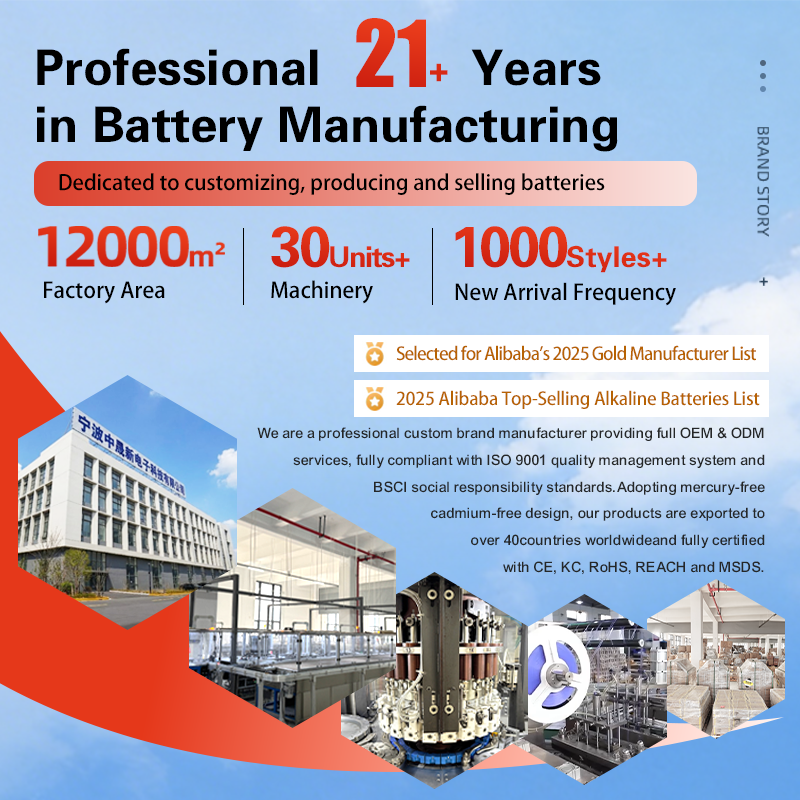
In my collaboration with Ningbo Johnson, I witnessed their effective management of production and delivery. Their robust infrastructure, including automated production lines and a commitment to quality control, allowed for seamless procurement processes. This partnership exemplifies how reliable suppliers can enhance the efficiency of custom battery solutions.
Building Long-Term Partnerships
Establishing Framework Agreements
I believe that establishing framework agreements is essential for successful partnerships in custom battery solutions. These agreements should include key elements such as:
- Clarity of Common Purpose: A shared goal enhances collaboration.
- Joint Governance: A steering committee helps manage the partnership effectively.
- Maximizing Innovation Value: Fostering teamwork drives advancements in battery technology.
Importance of Ongoing Communication
Ongoing communication significantly impacts the quality and reliability of our partnerships. I prioritize transparency and data sharing, which enhances our collaboration. The table below summarizes how effective communication can improve our processes:
| Evidence Type | Description |
|---|---|
| Co-design | Sharing requirements early reduces development times and improves reliability. |
| Data sharing | Digital platforms enhance transparency, improving quality and reducing downtime. |
| Transparency | Essential for competitiveness and meeting certification requirements under EU Battery Regulation. |
Strategies for Continuous Improvement
To ensure continuous improvement, I focus on several strategies:
- Collaborate with complementary businesses to expand our reach.
- Implement AI platforms for high-precision manufacturing.
- Collect ongoing production data to enhance processes.
These strategies help us adapt to market trends and customer feedback, ensuring we remain competitive.
Example of Collaboration with Kenstar
In my collaboration with Kenstar, I witnessed the power of a strong partnership. We established a framework agreement that clarified our common goals. Ongoing communication allowed us to address challenges quickly. Together, we implemented continuous improvement strategies that enhanced our product offerings and customer satisfaction.
In summary, I recognize that the process of developing custom battery solutions involves several critical steps. Defining requirements, validating performance, and securing a reliable supply chain are essential. I encourage you to consider custom solutions tailored to your specific needs. Working with reputable suppliers like Ningbo Johnson can significantly enhance your project’s success.
FAQ
What factors should I consider when choosing a custom battery solution?
I recommend evaluating power needs, temperature conditions, and size constraints to ensure optimal performance for your application.
How can I validate the performance of battery samples?
I suggest conducting capacity and discharge testing to confirm that the batteries meet your specifications and perform reliably under real-world conditions.
Why is it important to establish long-term partnerships with suppliers?
Building long-term partnerships fosters collaboration, enhances communication, and drives continuous improvement, ultimately leading to better custom battery solutions.
Post time: Mar-06-2026


