
Type-C batteries offer strategic advantages for B2B procurement. They streamline operations, reduce costs, and enhance product performance. This post details the top benefits for modern businesses, highlighting how a Type-C Battery can transform your procurement strategy. We explore the value a Tepe-C Battery brings to your enterprise.
Key Takeaways
- Type-C batteries make things simpler. They help businesses save money and work better.
- Type-C batteries charge devices faster. They also send data quickly. This helps devices work well.
- Type-C batteries are strong and safe. They help protect your money for the future.
Universal Compatibility of Type-C Battery Solutions
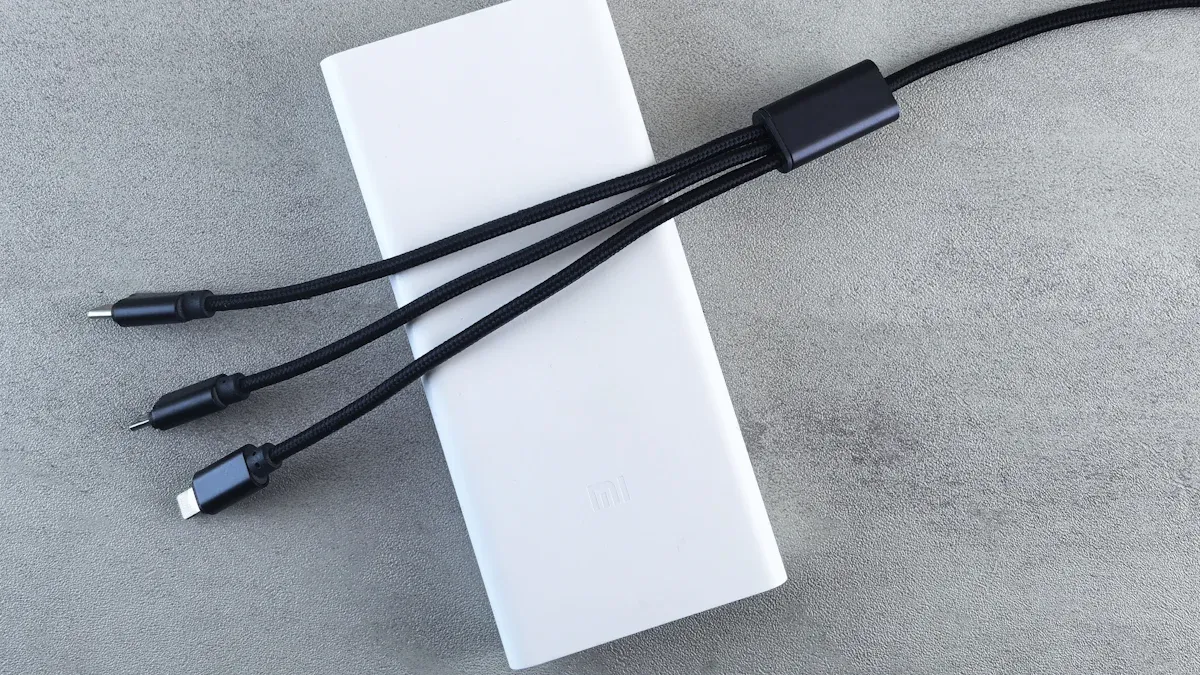
I consistently observe how universal compatibility transforms procurement. Type-C Battery solutions offer a standardized approach. This standardization simplifies many aspects of my work. It brings significant efficiencies to our operations.
Streamlined SKU Management
I find Type-C Battery solutions dramatically streamline our SKU management. We no longer need to stock a multitude of different battery types and connectors for various devices. This consolidation means fewer unique product codes to track. It reduces the complexity of our purchasing processes. I can focus on quality and volume rather than managing an endless list of specifications.
Simplified Inventory for Type-C Batteries
My team experiences less complexity in our warehouse operations. Simplified inventory management is a direct result of Type-C’s universal nature. We need fewer distinct items on our shelves. This reduces storage space requirements and makes inventory tracking much easier. I see a clear reduction in the risk of obsolescence for specific battery types.
Enhanced Device Interoperability
I recognize the immense value of enhanced device interoperability. Type-C allows our diverse equipment to share power sources and charging solutions. This flexibility is a major advantage for our business. It means our employees can use the same cables and power bricks across different devices. This boosts productivity and reduces frustration. I believe this universal standard truly empowers our operational efficiency.
Faster Charging Capabilities of Type-C Batteries
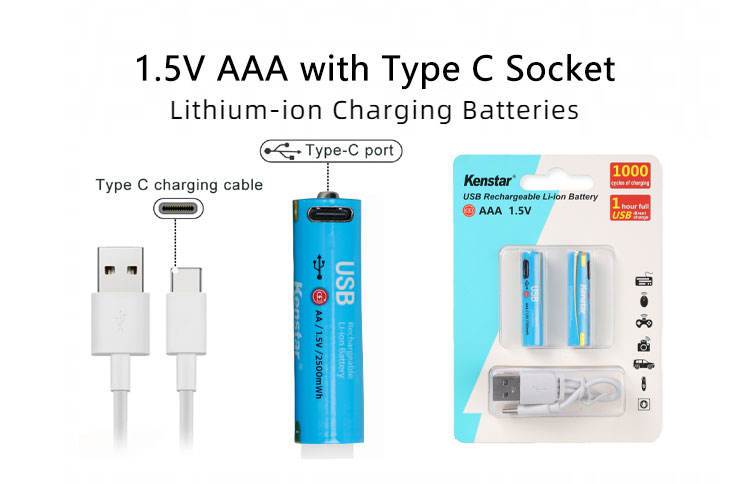
I consistently observe the significant impact of faster charging on our business operations. Type-C batteries offer a distinct advantage here. They allow devices to power up much more quickly than traditional battery types. This capability directly translates into tangible benefits for our procurement strategies and overall productivity.
Minimized Equipment Downtime
I find faster charging capabilities directly minimize equipment downtime. Our devices spend less time tethered to an outlet. This means they are available for use more often. For example, a tablet used by our field technicians can recharge during a short break. This reduces idle periods. I see a clear reduction in operational delays. This efficiency is crucial for maintaining tight schedules.
Increased Operational Efficiency
I recognize how faster charging leads to increased operational efficiency. Employees do not wait long for their tools to be ready. This keeps workflows smooth and continuous. Quick turnaround times for charging cycles mean more tasks get completed. I believe this directly boosts our team’s productivity. It allows us to maximize the use of our valuable assets.
Improved End-Product User Experience
I understand the importance of an improved end-product user experience. Products powered by a Type-C Battery charge rapidly. This enhances user satisfaction. Customers appreciate devices that are always ready when they need them. This positive experience can differentiate our products in the market. It also reduces user frustration. I see this as a key factor in customer loyalty and positive brand perception.
Higher Power Delivery with Type-C Batteries
I consistently observe the increasing power demands of modern business devices. Type-C batteries offer a superior solution for these needs. They deliver significantly more power than older battery types. This capability is essential for high-performance equipment.
Support for Demanding Applications
I recognize the critical need for robust power in our demanding applications. Type-C’s higher power delivery directly supports these requirements. For instance, devices like laptops, gaming consoles, and high-resolution displays require substantial power to operate effectively. The USB Power Delivery standard, associated with USB Type-C, allows for power levels up to 100 W. This standard increases USB’s power capability to 100 W. This is particularly useful for powering various devices. I find this capability crucial for maintaining peak performance across our enterprise hardware.
Enabling Compact, Powerful Devices
This high power capability also allows us to design or procure more compact devices. Manufacturers can integrate powerful components into smaller form factors. This means our teams can use lighter, more portable equipment without sacrificing performance. I see this as a significant advantage for mobile workforces and space-constrained environments. It enhances flexibility and user convenience.
Future-Proofing Power Needs
I view Type-C batteries as a strategic investment for future-proofing our power infrastructure. The ability to deliver up to 100W ensures compatibility with upcoming technologies. As devices become more powerful, our existing Type-C solutions will remain relevant. This protects our procurement investments. It also reduces the need for frequent upgrades to our power delivery systems.
Enhanced Durability and Reliability of Type-C Batteries
I consistently observe the critical importance of durability and reliability in our B2B operations. Type-C batteries, and their associated connectors, offer significant advantages in this area. I find this directly impacts our operational efficiency and long-term costs.
Robust Connector Design Benefits
I recognize the robust design of Type-C connectors as a key benefit. This design significantly reduces physical wear and tear. I find this crucial for long-term use in demanding environments. For instance:
- USB Type-C cables with locking screws ensure the cable remains securely connected. This prevents accidental disconnections that lead to wear.
- The locking screws are made from durable materials. They resist wear and tear over time. This contributes to the longevity of the connection.
- These robust designs increase reliability and uptime. They directly reduce physical stress and damage compared to standard Type-C connections. I see this as a major advantage for industrial and commercial applications.
Extended Device Lifespan
I believe this enhanced durability extends the lifespan of our devices. Fewer connection issues mean less stress on ports. This protects the internal components of our equipment. I find our devices last longer. This reduces the frequency of replacements. It also ensures consistent performance over time.
Reduced Maintenance Costs
I directly link this durability to reduced maintenance costs. We experience fewer repairs related to damaged ports or cables. This saves us money on parts and labor. I also see less downtime for repairs. This keeps our operations running smoothly. A reliable Type-C Battery solution contributes to overall cost savings.
Reversible Connector Design for Type-C Batteries
I consistently find the reversible design of Type-C connectors a significant advantage. This feature simplifies daily operations. It also enhances user experience across our product lines. This design eliminates common frustrations associated with older connector types.
Eliminating Connection Errors
I appreciate how the reversible design eliminates connection errors. Users can plug in the cable in any orientation. This means no more fumbling to find the correct side. Traditional USB connectors often require multiple attempts. This wastes valuable time. The Type-C design ensures a correct connection every time. I see this as a small but impactful improvement. It reduces wear and tear on ports too.
Boosting User Productivity
I observe a direct boost in user productivity from this design. Employees connect devices quickly and effortlessly. They do not spend time orienting cables. This efficiency adds up throughout the day. For example, charging a laptop or connecting a peripheral becomes a seamless action. This allows my team to focus on their tasks. It removes a minor, yet frequent, interruption.
Streamlining Assembly Processes
I also recognize the benefits for our assembly processes. The reversible nature simplifies manufacturing. Workers do not need to worry about connector orientation during installation. This reduces potential errors on the assembly line. It can also speed up production times. I find this design choice contributes to overall operational smoothness. It makes our products more user-friendly from the start.
Data Transfer Capabilities Beyond Power with Type-C Batteries
I consistently observe Type-C’s capabilities extend far beyond simple power delivery. This technology offers robust data transfer features. These features significantly enhance device functionality and streamline our operations. I find this dual capability a major advantage for modern business environments.
Port and Cable Consolidation
I recognize Type-C’s ability to consolidate multiple ports and cables. This simplifies our hardware infrastructure. We no longer need a separate cable for every function. Type-C unifies data and power transmission into a single port. It combines superspeed USB data transmission, display outputs, and power delivery into one interface. This means we can replace many specialized cables with one multi-use cable. I see this as a huge efficiency gain. For example, Type-C can replace:
- USB-A ports for legacy devices
- HDMI or DisplayPort for external monitors
- SD card readers
- Ethernet ports
- 3.5mm headphone jacks
- Power Delivery (PD) for charging laptops
Enabling Multi-Functional Devices
I find Type-C enables the creation of truly multi-functional devices. A single port can handle charging, high-speed data transfer, and video output simultaneously. This allows manufacturers to design more versatile and compact products. Our teams can use a single device for presentations, data analysis, and communication. This reduces the need for multiple specialized gadgets. I believe this enhances user flexibility and reduces equipment costs.
Simplified Peripheral Integration
I experience simplified peripheral integration with Type-C. Connecting external devices becomes effortless. A single Type-C dock can connect a laptop to monitors, external hard drives, and network cables. This reduces cable clutter on workstations. It also makes setting up new equipment much faster. I see this as a direct boost to employee productivity and workspace organization.
Long-Term Cost-Effectiveness of Type-C Batteries
I consistently evaluate solutions for their long-term financial benefits. Type-C battery solutions present a clear advantage in this area. They offer significant cost savings over time. These savings stem from several key factors.
Reduced Cable Variety Needs
I find Type-C’s universal design dramatically reduces our need for diverse cables. We no longer require separate cables for charging, data transfer, and video output. This consolidation simplifies our purchasing process. It also minimizes the number of different cable types we must stock. This standardization contrasts sharply with older, proprietary connectors. I see a direct reduction in procurement complexity and associated costs.
Lower Inventory Holding Costs
I observe a significant impact on our inventory management. Fewer unique cable and power adapter types lead to lower inventory holding costs. This means less capital tied up in stock. It also reduces storage space requirements. Advanced min-max optimization strategies for batteries have shown an average inventory cost reduction of 32%. This directly translates into substantial savings for our business. I value this efficiency in our supply chain.
Decreased Warranty Claims
I recognize the enhanced durability of Type-C components contributes to fewer warranty claims. The robust connector design withstands frequent use. This reduces the likelihood of port damage or cable failure. Fewer failures mean less need for replacements or repairs. I experience lower costs associated with servicing faulty equipment. This reliability improves customer satisfaction and protects our brand reputation.
Future-Proofing Procurement with Type-C Batteries
I consistently look for solutions that offer long-term value and adaptability. Type-C battery solutions provide a strategic advantage for future-proofing our procurement efforts. I believe this approach safeguards our investments and keeps us ahead of technological shifts.
Alignment with Industry Standards
I recognize the importance of aligning with established industry standards. Type-C has become a universal standard for power and data. This widespread adoption means I can procure with confidence. I know our chosen solutions will remain relevant for years to come. This standardization reduces the risk of obsolescence. It also simplifies our supply chain management. I see this alignment as a critical factor for stable and predictable procurement.
Compatibility with Emerging Technologies
I find Type-C’s compatibility with emerging technologies particularly compelling. It ensures our infrastructure can support future innovations. USB-C rechargeable batteries, often utilizing advanced lithium-ion technology, are designed to seamlessly replace existing power sources like AA and AAA batteries without requiring product modifications. This broad compatibility ensures that new and existing devices can adopt USB-C infrastructure, leveraging its universal charging interface that is already common for smartphones, tablets, and laptops. I see its versatility across many new product categories:
- Gaming peripherals: Controllers, headsets, and accessories benefit from quick charging, reducing downtime.
- Photography equipment: Professional cameras and videography gear can be charged in the field with standard USB-C chargers, eliminating specialized equipment.
- Smart home devices: Simplifies product ecosystems by using a universal charging standard, enhancing user experience.
- Outdoor gear: Lightweight and versatile equipment can be charged with portable power banks or solar chargers via USB-C, appealing to adventure enthusiasts.
- Toy and educational products: Family-friendly products can use rechargeable solutions, reducing costs and environmental impact.
Protecting Battery Infrastructure Investments
I believe investing in Type-C solutions protects our battery infrastructure investments. Its broad compatibility and high power delivery capabilities mean our current purchases will serve future needs. We avoid the need for costly overhauls as technology evolves. This foresight ensures our capital is well-spent. It also minimizes disruption to our operations. I find this approach provides significant peace of mind for long-term planning.
Improved Safety Features of Type-C Batteries
I prioritize safety in all our procurement decisions. Type-C battery solutions offer significant advancements in this critical area. They provide enhanced protection for both devices and users. I find these features crucial for reliable business operations.
Advanced Power Management Protocols
I recognize the sophisticated power management protocols integrated into Type-C. USB PD 3.1 is a prime example. It supports up to 240W power transmission. This protocol allows for flexible power management. It achieves a maximum voltage of 48V. This reduces resistance loss. It also improves power transmission efficiency. This standard is vital for high-power devices. Chips like the Hynetek HUSB238A and HUSB239 integrate USB PD 3.1. They support features such as PPS (Programmable Power Supply), AVS (Adjustable Voltage Supply), and EPR (Extended Power Range). The HUSB238A, for instance, supports up to 48V/5A in I²C mode. It includes FPDO, PPS, EPR PDO, and EPR AVS. These chips manage power delivery for Type-C connected devices. They handle CC logic and USB PD protocols. USB-C, with integrated USB PD, enables dynamic power management. It merges power source and sink features. It facilitates power, data, and video over a single port. This standardizes the power delivery interface.
Reduced Overcharging Risks
I appreciate how these advanced protocols directly reduce overcharging risks. They precisely control power flow to the battery. This prevents damage from excessive voltage or current. This intelligent management extends battery lifespan. It also minimizes the risk of overheating or other safety incidents. I find this level of control superior to older charging methods.
Compliance with Safety Regulations
I value Type-C’s strong compliance with safety regulations. Its standardized nature means it meets global safety certifications. This gives me confidence in the products we procure. It ensures our devices adhere to strict industry standards. This compliance protects our employees and our assets. It also simplifies our regulatory obligations.
Environmental Benefits and Sustainability of Type-C Batteries
I consistently evaluate how our procurement choices impact the environment. Type-C battery solutions offer significant advantages for sustainability. I find these benefits align perfectly with modern corporate responsibility goals.
Reduced Electronic Waste
I recognize Type-C’s role in reducing electronic waste. Its universal compatibility means fewer unique chargers and cables are necessary. This standardization directly decreases the volume of discarded accessories. For example, I no longer need to procure a different charger for every device. This contrasts sharply with the past, where proprietary connectors created mountains of e-waste. I see this as a crucial step towards a circular economy.
Efficient Energy Transfer Potential
I observe the efficient energy transfer potential of Type-C. Its advanced power delivery protocols optimize charging processes. This efficiency can lead to less energy wasted during charging cycles. While the direct energy savings per charge might seem small, they accumulate significantly across an entire fleet of devices. I believe this contributes to a lower overall energy footprint for our operations.
Supporting Corporate Sustainability Goals
I find Type-C battery solutions directly support our corporate sustainability goals. By reducing e-waste and promoting energy efficiency, we demonstrate our commitment to environmental stewardship. This choice enhances our brand image. It also helps us meet regulatory requirements for sustainable practices. I see this as a strategic decision that benefits both our bottom line and the planet.
Partnering with Johnson Electronics for Type-C Battery Solutions
I believe choosing the right partner for battery solutions is crucial. At Ningbo Johnson New Eletek Co., Ltd., we stand as a professional manufacturer of various batteries. We offer significant advantages for your B2B procurement needs.
Our Manufacturing Capabilities and Quality Assurance
I am proud of our robust manufacturing capabilities. We operate with 20 million USD in assets and a 20,000-square-meter manufacturing floor. Over 150 highly skilled employees work on 5 automatic production lines. We adhere strictly to the ISO9001 quality system and BSCI standards. Our quality assurance processes are comprehensive. I ensure sample inspection occurs in all production stages. We perform 100% automatic testing using a 3-parameter tester. Reliability tests include high-temperature and abuse use scenarios. We conduct incoming material inspection, first sample checks, and in-process sample inspections. Bare cell sample discharge and finished product inspection complete our rigorous process. Our advanced formula reduces gas generation inside the battery by 50% compared to the industry average. We maintain strict control over our sealing system. This includes a highly soft nylon sealing ring and automatic welding equipment for copper needle alignment. Automatic assembly prevents ring damage. We control graphite emulsion spray height and ensure evenly spread sealing gel. Our sealing dimension control is the smallest in the industry.
Commitment to Environmental Responsibility
I take our responsibility to protect the environment and society seriously. Our products are free from Mercury and Cadmium. They completely meet the EU ROHS Directive. All our products are SGS certified.
Competitive Pricing and Customer Service
I assure you we supply quality products at competitive costs. Our professional sales team is ready to serve clients worldwide. We respect our customers. We provide consultant service and the most competitive battery solutions.
Private Label and Custom Battery Solutions
I confirm private label service is welcome. We offer custom battery solutions tailored to your specific requirements. Choosing Johnson Electronics as your battery partner means choosing reasonable cost and considerate service. Please feel free to contact us for more details.
I believe Type-C solutions offer a strategic advantage for B2B procurement. They deliver operational efficiency, cost savings, and enhanced reliability. Businesses can optimize supply chains with superior Type-C Battery technology. I assure you Johnson Electronics provides high-quality, sustainable solutions.
FAQ
Why should I prioritize Type-C batteries in my procurement strategy?
I find Type-C batteries streamline operations. They reduce costs and enhance product performance. This makes them a strategic choice for my business.
How do Type-C batteries contribute to my company’s cost savings?
I see reduced cable variety needs. This lowers inventory holding costs. It also decreases warranty claims. These factors save my company money.
Will Type-C batteries remain relevant with future technology advancements?
I believe Type-C aligns with industry standards. It ensures compatibility with emerging technologies. This protects my battery infrastructure investments long-term.
Post time: Dec-04-2025


