
Zinc carbon battery wholesale prices will likely see moderate fluctuations with slight upward pressure between 2025 and 2026. Experts project the global market to reach approximately USD 1.095 billion in 2025. Raw material costs and evolving market demand primarily drive these Zinc Carbon Battery Wholesale Price Trends, shaping our procurement strategies.
Key Takeaways
- Zinc carbon battery prices will likely go up a little from 2025 to 2026. This is mainly because of raw material costs and changes in what people want to buy.
- Key things that affect prices are the cost of materials like zinc, how well factories make batteries, how easily batteries can be shipped, and how many people want to buy them.
- Buyers should plan ahead by working with different teams, using technology to track stock, and making smart deals to handle price changes.
Key Factors Influencing Zinc Carbon Battery Wholesale Price Trends
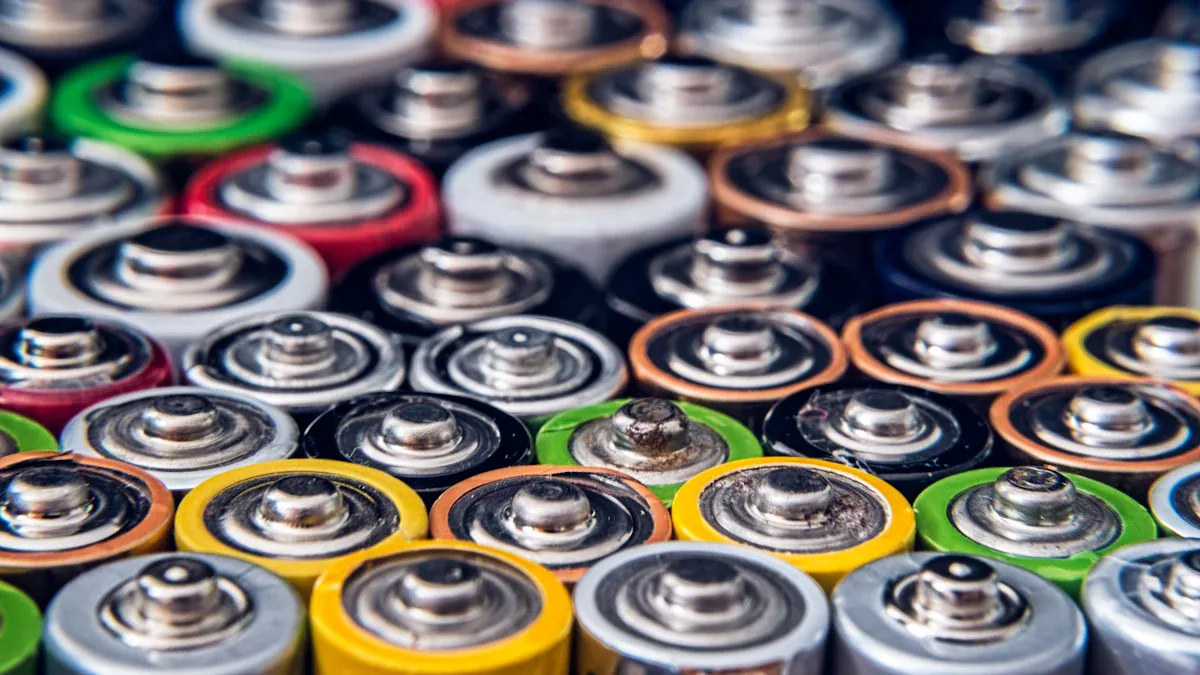
I see several critical factors shaping Zinc Carbon Battery Wholesale Price Trends. Understanding these elements helps us anticipate market movements and plan effectively.
Raw Material Costs: Zinc, Manganese Dioxide, and Carbon Rods
Raw material costs form the bedrock of battery pricing. I find zinc, manganese dioxide, and carbon rods particularly influential. For instance, carbon rod electrodes currently show a wholesale price range of US$16.00-85.00.
| Product | Wholesale Price Range |
|---|---|
| Carbon Rod Electrode | US$16.00-85.00 |
Looking ahead, I observe the global manganese market projects a Compound Annual Growth Rate (CAGR) of 2.00% from 2025-2033. This growth comes from expanding steel and automotive sectors, alongside increasing battery and energy storage system adoption. For zinc, I expect supply and demand to remain relatively stable in 2025. Mining supply should grow moderately at 1.9% year over year, with refined output increasing by 0.3%. Demand also projects a 0.3% growth.
I also track zinc price trends across different regions.
| Country | Q2 2025 (USD/MT) | Q1 2025 (USD/MT) | Q2 vs. Q1 Trends |
|---|---|---|---|
| USA | 1,180 | 1,245 | Prices declined slightly as imports stabilized and supply disruptions eased, balancing demand from steel and battery sectors |
| Japan | 980 | 1,035 | Prices decreased modestly as long-term contracts ensured stable supply despite demand fluctuations |
| Brazil | 1,108 | 1,160 | Prices softened due to ample mining output and subdued export activity |
| France | 1,320 | 1,290 | Prices edged up slightly, supported by steady steel demand and logistics costs |
The Zinc-manganese (Alkaline + Carbon) Primary Battery Market, which also uses manganese dioxide and carbon rods, was valued at approximately USD 11.19 billion in 2025. It projects to reach USD 15.12 billion by 2031, showing a CAGR of 4.0% during the forecast period. However, the global market for zinc-carbon batteries specifically, valued at US$ 1278 million in 2024, projects a decrease to US$ 816 million by 2031, exhibiting a CAGR of -6.3% during 2025-2031. This indicates a shift in market preference despite stable raw material outlooks.
Key takeaway: Raw material costs, particularly for zinc, manganese dioxide, and carbon rods, directly influence battery prices. While some raw material markets show growth, the zinc-carbon battery market itself faces a projected decline.
Manufacturing and Production Efficiencies
Manufacturing and material costs are key determinants of zinc-carbon battery prices. I find the production process for these batteries relatively simple compared to other battery types. This simplicity helps reduce manufacturing expenses. The use of readily available materials like zinc and manganese dioxide further contributes to lower production costs. I see the typical production cost for a standard zinc-carbon battery ranging from $0.10 to $0.50 per cell. This cost varies based on the scale of production, current raw material prices, and the specific battery size.
The efficiency of production facilities, especially those with advanced manufacturing capabilities and automated lines, leads to economies of scale. This ensures competitive pricing while maintaining quality. Investments in research and development also influence costs. Manufacturers continuously seek ways to enhance performance and affordability through innovations in material composition and production techniques. Environmental regulations and sustainability efforts can also influence production costs. Compliance with stricter policies, such as using non-toxic materials, improving recycling processes, and minimizing waste, may require manufacturers to invest in advanced technologies or modify their processes. While these changes can slightly affect pricing, the inherent simple design and efficient production methods of zinc-carbon batteries maintain their affordability.
Key takeaway: Simple production processes, readily available materials, and efficient manufacturing facilities keep zinc-carbon battery production costs low, despite potential impacts from environmental regulations and R&D investments.
Supply Chain Dynamics and Geopolitical Influences
I recognize that global supply chain dynamics and geopolitical events significantly impact the availability and cost of raw materials and finished products. Disruptions, such as trade disputes, natural disasters, or political instability in key mining or manufacturing regions, can lead to price volatility. For example, increased shipping costs or tariffs directly translate into higher wholesale prices for batteries. I constantly monitor these external factors because they can quickly alter the cost structure for manufacturers and, consequently, the prices for buyers. A stable supply chain ensures consistent production and predictable pricing, while any instability introduces uncertainty and potential price hikes.
Key takeaway: Global supply chain stability and geopolitical events are crucial for consistent pricing. Disruptions can cause price volatility and increase costs for zinc-carbon batteries.
Market Demand and Competitive Landscape
Market demand plays a crucial role in setting prices. I observe the largest application segment for zinc-carbon batteries is flashlights, followed by entertainment. Other significant applications include toy and novelty items and remote controls.
- Flashlights
- Entertainment
- Toy and Novelty
- Remote Control
- Others
The competitive landscape also shapes pricing strategies. I see many players in the broader zinc battery market. These include major companies like Eastman Kodak Company, Panasonic Energy Co., Ltd., Duracell Inc., and Energizer Holdings, Inc. Key OEM manufacturers specializing in carbon zinc batteries, who are significant players in the wholesale market, include Johnson New Eletek Battery Co., Ltd., Promaxbatt, and Microcell Battery. GMCELL is also a notable manufacturer and supplier of carbon zinc batteries, offering a range of wholesale products such as R03/AAA, AA R6, C Size, D Size, and 9V carbon zinc batteries. This competitive environment often drives manufacturers to optimize costs and offer competitive pricing to capture market share.
Key takeaway: Demand from applications like flashlights and entertainment, combined with a competitive market featuring major players and specialized OEMs, influences the pricing strategies for zinc-carbon batteries.
Projected Zinc Carbon Battery Wholesale Price Trends for 2025
I anticipate specific movements in the market for zinc carbon batteries throughout 2025. My analysis points to a period of relative stability followed by potential upward pressure.
Q1-Q2 2025 Price Stability and Minor Adjustments
I project the first half of 2025 will see a period of relative price stability for zinc carbon batteries. Raw material costs, particularly for zinc and manganese dioxide, will likely remain within a predictable range. I expect manufacturers to maintain current production levels, balancing supply with existing demand. Any price adjustments during this period will likely be minor. These small shifts will reflect slight changes in energy costs or minor fluctuations in logistics expenses. I believe this stability offers a good opportunity for buyers to secure favorable contracts without significant price volatility. My assessment suggests a calm market environment.
Key takeaway: I expect stable prices in Q1-Q2 2025, with only minor adjustments driven by operational costs.
Q3-Q4 2025 Potential for Moderate Price Increases
As we move into the second half of 2025, I foresee a potential for moderate price increases. Several factors contribute to this outlook. I anticipate a slight uptick in global demand for consumer electronics that utilize zinc carbon batteries. This increased demand could put pressure on existing stock. Furthermore, I am closely monitoring the global supply chain for any signs of disruption. Geopolitical events or unexpected increases in shipping costs could directly impact the cost of raw materials and finished goods. These combined pressures could lead to a gradual, but noticeable, rise in Zinc Carbon Battery Wholesale Price Trends. I advise market participants to prepare for these potential shifts.
Key takeaway: I project moderate price increases in Q3-Q4 2025, driven by rising demand and potential supply chain pressures.
Projected Zinc Carbon Battery Wholesale Price Trends for 2026
I look ahead to 2026, and I see the market for zinc carbon batteries continuing to evolve. My analysis suggests a dynamic period with potential for both price increases and shifts due to emerging technologies.
Q1-Q2 2026 Continued Upward Pressure or Stabilization
I anticipate the first half of 2026 will bring either continued upward pressure on prices or a period of stabilization. Raw material costs will remain a primary driver. If global demand for zinc and manganese dioxide stays strong, I expect prices to reflect this. Supply chain efficiency will also play a critical role. Any lingering disruptions from 2025 could push costs higher. However, if supply chains normalize and raw material production meets demand, I foresee a more stable pricing environment. I will closely monitor these factors to predict the exact trajectory.
Key takeaway: I expect Q1-Q2 2026 to show either rising prices or stability, depending on raw material costs and supply chain health.
Q3-Q4 2026 Long-Term Market Outlook and Price Volatility
The latter half of 2026 presents a more complex outlook, with potential for increased price volatility. I see new technologies entering the market, which could influence the Zinc Carbon Battery Wholesale Price Trends. For example, metal-air batteries, like zinc-air, offer high energy density and use widely available materials. Form Energy started manufacturing iron-air batteries at scale in 2025, showing the commercial viability of this category. Metal-ion batteries, such as zinc-ion, also emerge as safer and less costly alternatives to lithium-ion. Sodium-ion technology is reaching a commercial tipping point, offering higher discharge rates and lower fire risk. These innovations could introduce competition and potentially impact demand for traditional zinc carbon batteries. I believe this competitive landscape will create a dynamic market, leading to potential price adjustments as buyers consider these new options.
Key takeaway: I project Q3-Q4 2026 will see increased price volatility due to emerging battery technologies like metal-air and metal-ion, which offer new competitive alternatives.
Real-World Zinc Carbon Battery Price Trends and 2026 Projections

I have observed the market for zinc carbon batteries closely. Understanding past price movements helps me predict future trends.
Historical Price Volatility and Average Price Shifts
I have seen zinc carbon battery prices fluctuate over time. These shifts often reflect changes in raw material costs, manufacturing efficiencies, and market demand. For example, a sudden increase in zinc prices can quickly push up battery costs. Conversely, improved production methods can lead to lower prices. I also notice that seasonal demand, like holiday seasons, can cause temporary price bumps. Overall, I find that while there are short-term ups and downs, the average price tends to follow the broader economic conditions and the availability of key components. I always analyze these historical patterns to better understand the current Zinc Carbon Battery Wholesale Price Trends.
Estimating 2026 Wholesale Prices Based on Global Averages
I estimate 2026 wholesale prices for zinc carbon batteries based on global averages. My projections consider the anticipated stability in raw material supply and the ongoing demand from various applications. I expect a slight upward pressure on prices, as I mentioned earlier. This increase will likely be modest, perhaps in the range of 2-5% annually. This projection assumes no major geopolitical disruptions or unforeseen spikes in energy costs. I believe manufacturers will continue to optimize their processes to keep prices competitive. Buyers should budget for these minor increases.
Ningbo Johnson New Eletek Co., Ltd.: A Reliable Partner
I recognize the importance of choosing a reliable partner in the battery industry. Ningbo Johnson New Eletek Co., Ltd. stands out as a professional manufacturer of various batteries. I know they have substantial assets, including 20 million USD and a 20,000-square-meter manufacturing floor. Over 150 highly skilled employees work on 10 automatic production lines. I find their commitment to quality impressive; they operate under the ISO9001 quality system and BSCI. Their product range includes alkaline batteries, carbon zinc batteries, Ni-MH batteries, button cells, and rechargeable batteries. I also appreciate their dedication to environmental responsibility. Their products are free from Mercury and Cadmium. They completely meet EU/ROHS/REACH Directives. Their products are SGS certified. I believe they can supply quality products at a competitive cost. A professional sales team is ready to serve clients worldwide. They respect their customers and provide consultant service and the most competitive battery solutions. Private label service is also welcome. I conclude that choosing Johnson Electronics as your battery partner means choosing reasonable cost and considerate service. I encourage you to contact them for more details.
Strategic Implications for Zinc Carbon Battery Wholesale Price Trends
I recognize that understanding future price trends is crucial for both buyers and suppliers. Strategic planning helps manage costs and maintain competitiveness.
Procurement Strategies for Buyers
I focus on smart procurement to navigate potential price shifts. For inventory management, I foster cross-departmental collaboration. I coordinate with finance, sourcing, operations, and engineering teams. This ensures I set strategic inventory targets, order efficiently, and meet production needs. I also invest in technology, utilizing modern inventory management systems and ERP tools for real-time visibility. AI and machine learning help me anticipate demand fluctuations and adjust stock levels. I align my procurement with accurate, up-to-date demand forecasts. This reduces the risk of over-ordering or under-ordering. I also implement dynamic safety stock management, making inventory control precise and flexible. This adapts to market shifts, using real-time data and AI analysis. I manage inventory on a last-in, first-out (LIFO) basis. This ensures my selling prices keep pace with input cost increases.
For contract negotiation, I focus on several key areas. I negotiate payment terms, often an initial deposit with the balance contingent on pre-shipment inspection. I clearly define warranty periods and the process for addressing defective products. I establish firm production and delivery schedules, including penalties for significant delays. If customization is involved, I ensure the contract outlines intellectual property ownership. I also find that bulk purchases significantly reduce per-unit costs. This strategy leverages economies of scale, leading to more competitive rates.
Pricing Strategies for Suppliers
As a supplier, I employ effective pricing models to maintain profitability amidst fluctuating raw material costs. I often use cost-plus contracts. These contracts establish the final product price by adding a markup to my total costs. This mechanism ensures that if costs increase, the final price also rises. It safeguards my profit margin. I also integrate rise-and-fall clauses into fixed-price contracts, especially for projects with extended lead times. These clauses enable adjustments to the contract price. They account for changes in material and labor expenses. This approach helps me manage risk and maintain fair pricing for my customers.
I anticipate the zinc carbon battery wholesale market will see slight price increases from 2025 to 2026. Raw material costs and supply chain dynamics primarily influence these shifts. I believe proactive monitoring of these factors is crucial. Strategic planning will help all market participants manage costs effectively and maintain competitiveness.
FAQ
What is the projected overall price trend for zinc carbon batteries from 2025 to 2026?
I project a slight upward pressure on wholesale prices. Raw material costs and evolving market demand primarily drive this trend.
Which factors will most significantly influence zinc carbon battery prices?
Raw material costs (zinc, manganese dioxide, carbon rods), manufacturing efficiency, supply chain dynamics, and market demand are key influencers.
How can buyers strategically prepare for these anticipated price changes?
I advise buyers to implement proactive procurement strategies. Focus on cross-departmental collaboration, technology investment, and dynamic safety stock management.
Post time: Dec-17-2025


